- Takeaways
- Find out who has legal authority to sell before you compare prices.
- Not every inherited house is in probate, and not every probate house can close on a buyer’s preferred date.
- All required signers have to agree. An offer does not break a family deadlock.
- This article is not legal, tax, or estate-planning advice.
Who would sign is the first fact
The people named on the current deed — or appointed by a court — have to be the people who would convey the property. If the record still names only the decedent, if several heirs exist, or if an estate has been opened, authority is a legal issue. A cash buyer cannot cure a missing signature by wanting a fast close.
How title was held before death matters. Some forms of co-ownership, transfer-on-death deeds, or trust ownership can change who signs. Some files require probate. Which category yours is belongs with an Oklahoma estate attorney, not with a property-address form. Title 58 of the Oklahoma Statutes is the public probate-procedure text. OSCN is where many court records are searched. Neither is a diagnosis of your estate.
Probate is a court process, not a nickname for inherited
Probate in Oklahoma is a court-supervised administration. Sale authority can depend on a will, intestacy, court letters, creditors, and how the deed was held. Those rules live in Oklahoma probate procedure, including Title 58. We are not your lawyer, and this article cannot apply those statutes to your file.
Some inherited houses already list a living successor. Others cannot close until court steps are finished. We will not claim that all inherited properties can be sold immediately. If a personal representative has not been appointed, pause and speak with counsel before treating any offer as a plan.
Co-heirs, distance, and disagreement
A buyer cannot purchase from a subset of the required signers. If siblings disagree, the house does not become simpler because someone requested an offer. Out-of-state heirs often want a path that does not require flying in for showings. That is a reason people look at a direct sale. It is not a reason to skip the people who have to agree.
Personal property inside the house is a separate conversation from the real estate. Photographs, furniture, and what would remain should be disclosed. Do not assume every item can stay. Do not assume a buyer will sort a lifetime of belongings for free.
The house is still a house
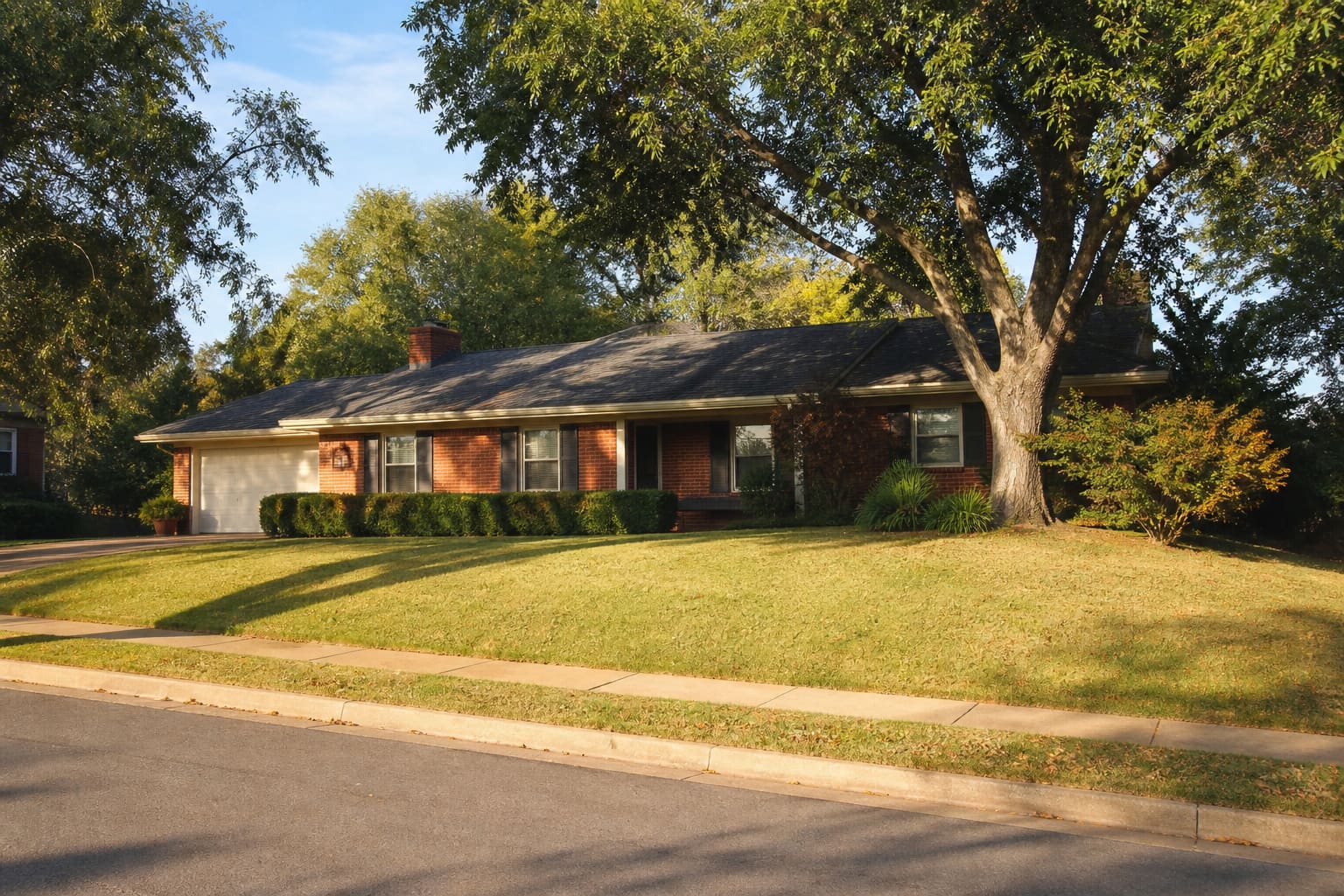
Inherited Oklahoma City and Tulsa houses are often vacant, still furnished, and left as the last occupant lived in them. Roofs, HVAC, and deferred maintenance show up in the offer the same way they would for any other as-is review. You do not have to remodel to request numbers. You should say who lives there, what you know is broken, and whether anyone else must agree.
Taxes and utilities continue while the family decides. Vacancy has carrying costs. None of that replaces the title work. County treasurers publish tax information for Oklahoma County and Tulsa County; confirm the parcel, not a marketing nickname.
Keep, rent, list, or sell directly
Keeping the house, renting it, listing it with an agent, or requesting a no-obligation cash offer are all legitimate. They have different costs, timelines, and family-politics loads. A traditional listing may produce a higher gross price after cleaning, repairs, and showings. A direct sale may be simpler when nobody wants to manage a project from another state.
Tax consequences of an inherited sale are not something we can calculate on a website. A CPA or tax attorney should review basis, exclusions, and the estate’s own return. We are a potential purchaser.